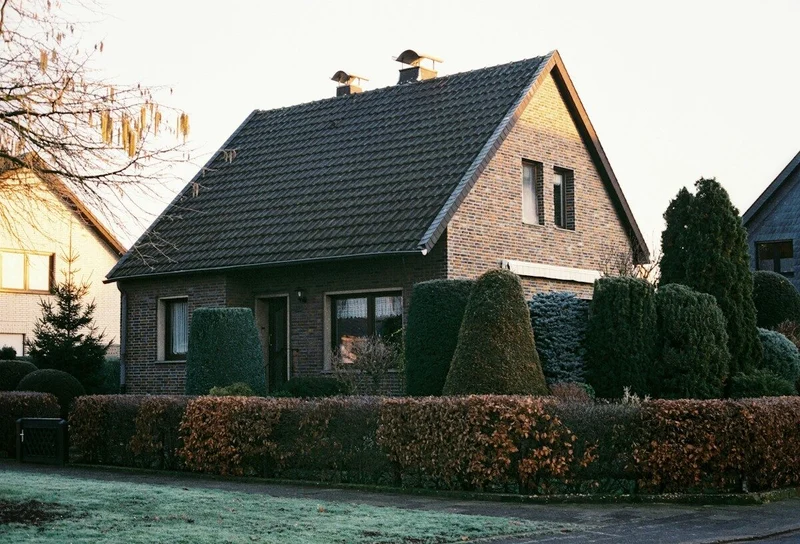
 Family home, private client
New house in Dopiewo: ground source heat pump and heat recovery ventilation
- Electricity for heating and hot water, 2025/26 season
- about 3,100 kWh
- Underfloor flow temperature on the coldest days
- 31-33°C
Service
Mechanical ventilation with heat recovery, with design, installation, airflow balancing and filter servicing.
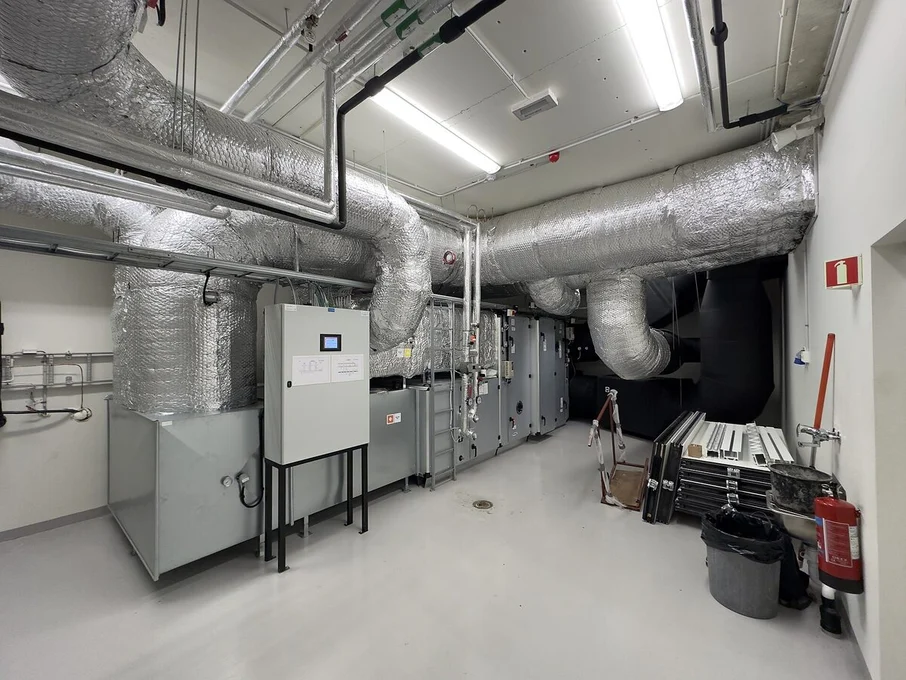
System design with an airflow balance for every room
Airflow balancing and a measurement report at handover
Installation in new builds and in occupied houses
More than 1,100 systems since 2015
We design and install mechanical ventilation with heat recovery (MVHR) in houses. A separate team has handled this work since 2015 and has completed more than 1,100 systems. The unit extracts stale air from the kitchen, bathrooms and walk-in wardrobes and supplies fresh air to the living rooms and bedrooms, warmed in the heat exchanger by the outgoing air. The air is filtered, there are no draughts and no condensation on the windows.
To be honest, in an uninsulated, leaky house heat recovery ventilation will deliver less than you expect. In that case we will recommend other work first.
Design, unit with a counterflow heat exchanger, ducts and fittings, plenum boxes, diffusers, air intake and exhaust terminals, silencers, duct insulation in unheated spaces, controller, condensate drain, two-stage installation and balancing with a report.
Heat recovery ventilation can be funded under Czyste Powietrze if the unit is on the ZUM list, and it is an eligible expense for the thermal retrofit tax relief (ulga termomodernizacyjna). We help you check the conditions and always confirm the current rules on the official programme websites.
How we work
A site visit and a heat-loss calculation. We size the unit for the building, not the floor area.
We check which programme you qualify for and help you put the application together.
Our own crews, usually 2-4 days. Commissioning, heating curve set-up and a walkthrough.
A check after the first month and the yearly inspections the manufacturer warranty requires.
FAQ
Question not here? Write or call us, we reply within one working day.
Write to usIn a new house, once the roof and internal walls are up, before the screed and suspended ceilings. Then the ducts go into the floor or ceiling and are hidden after finishing. It can be done in an occupied house too, but ducts usually have to run through the loft or inside boxing.
Yes, nothing will break. In the heating season you simply do not need to, because the unit exchanges the air all the time. In summer you open windows as usual.
Usually every 3-6 months, more often near busy roads or in smoggy areas. Changing them takes a few minutes and we show you how at handover. Once a year it is worth having a service visit to clean the heat exchanger and condensate drain.
A well-designed system should not be audible in a bedroom. Noise usually comes from undersized ducts and high air speeds. That is why we size the ducts in the design and fit silencers at the unit.
It can be an eligible cost under Czyste Powietrze if the unit is on the ZUM list, and under the thermal retrofit tax relief. We check the conditions for your case on the programme websites.
Case studies
Family home, private clientBlog
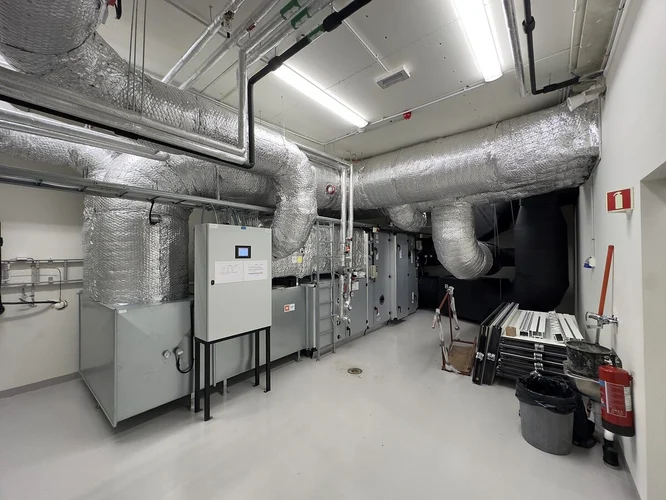
Heat recovery ventilation works best in airtight houses, but it is not the first step in every building. We explain what decides whether it pays off, what it costs and how to look after it.
5 min read
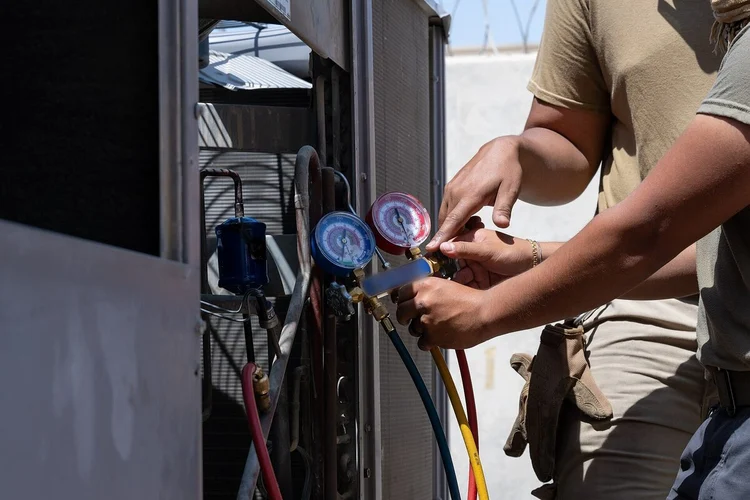
The checks a technician carries out during an annual heat pump or air conditioning service, and what manufacturer warranties and F-gas rules expect of you.
5 min read